Trace a WW1 British Soldier
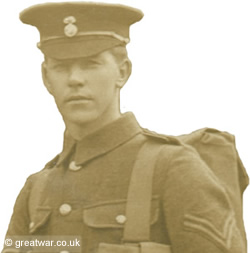
If you are researching your family history you may discover that one of your ancestors was a soldier serving with the British and Commonwealth Armies in the Great War of 1914-1918.
If you have at least a name and few other details it would be helpful to see if you can find out if he died in the war. If this can be confirmed, then it usually provides enough detail to tell you a date of death, location of the burial or commemoration, which unit he was serving with and (usually for a soldier) a regimental number. In addition it is likely also that the age of the soldier at the time of death and next of kin details may be included in the information. All or any of this may help you to confirm his identification when you look at other military records.
The first three searches you can do to get started in the search for a First World War serviceman are available online.
Search 1: Did the Serviceman Die in the War?
|
Free to search online.
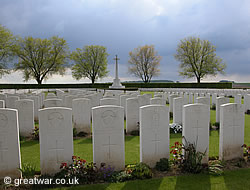
The record of a location of a grave or memorial inscription is held by the Commonwealth War Graves Commission (CWGC). The register of war dead for the First and Second World Wars is available to search for free online. The CWGC website has helpful information to assist you with a search, but if you have difficulties finding your man you can write or ring the head office in Maidenhead. Contact details are given on their website.
Search the CWGC website:
Website: www.cwgc.org
Search 2: What Medals was the Serviceman Awarded?
|
This search is available online from two sources:
- either a free search with a chargeable download
- or a search and download by subscription.
Medal Rolls & Medal Index Cards
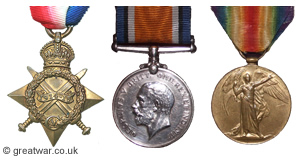
Every individual who entered a Theatre of War on active service in the First World War was issued with one, two or three campaign medals.
Medal Rolls are the lists of the individuals eligible for a medal, which give the name of the person and the reference number for the issue of the medal or medals. The Medal Rolls are ordered in volumes by regiment or Corps.
AAn index card system, with (usually) one card for each person receiving one or more medals was created during the war. The relevant references from the Medal Rolls were included on each card. This card index is known as the Medal Index Card collection or the Medal Rolls Index.
The Medal Rolls and Medal Index Cards can be searched to find an individual. If the individual has a distinctive name it may be easier to confirm it is the person you are looking for. The Medal Roll and/or the Index Card will confirm details including regimental number, miltary unit and medals issued. If the individual entered a Theatre of War during 1914 and 1915 the date will usually be included on the card. From 1916 onwards the date of entry to the Theatre of War was not generally included on the card. Sometimes the cards will have additional personal information on the reverse, such as a next of kin address or additional notes regarding correspondence for a lost medal, for example.
For information about British WW1 Medal Record Records and where to view them go to our page at:
British WW1 Medal Records 1914-1920Search 3: Is there a Service Record?
Approximately 40% of the First World War Army Service Records survived the Second World War bomb damage. Those that did survive have been digitized and can be searched. See our page on Service Records for more information:
British Army WW1 Service Records (Soldiers)
British Army WW1 Service Records (Officers)
Useful Links
Commonwealth War Graves Commission
Website: www.cwgc.org
The National Archives, Kew, Surrey
Website: www.nationalarchives.gov.uk
Ancestry.co.uk
Website: www.ancestry.co.uk
Findmypast.co.uk
Website: www.findmypast.co.uk
Forces War Records
Website: www.forces-war-records.co.uk
The Genealogist
Website: thegenealogist.co.uk
Naval & Military Archive
Website: www.nmarchive.com
Related Service
Photographs Forever: Photo Restoration and Photograph Retouching
Restore and preserve your precious WW1 photographs. Leading photograph restorers Photographs Forever provide a quality Photo Restoration, Photo Retouching Service and Photo Editing Service. Your photographs will be scanned in high resolution, they will be restored and digital files and/or fresh new prints of your old photographs can be provided. See the website for more information:
Website: www.photographsforever.co.uk